


Artificial Intelligence Can Make Anyone Say Anything Without Actually Saying It
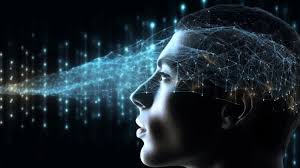
The Rise of Synthetic Media
Artificial intelligence has reached a point where it can generate highly realistic video and audio of real people saying things they never actually said. Known as deepfakes, these AI-generated media assets have evolved from crude novelties to sophisticated tools capable of fooling even trained observers.
The implications for businesses, politics, and personal security are profound, and understanding this technology is essential for anyone operating in the digital age. The positive side of synthetic media is already visible in Malta, where AI-generated content is being put to legitimate creative use — from Malta’s first AI-generated TV intro to the country’s first virtual TV presenter.
How Deepfakes Work
Deepfake technology relies on deep learning models, specifically generative adversarial networks (GANs) and transformer architectures — the same foundations as modern large language models — to analyse and replicate a person’s facial expressions, voice patterns, and mannerisms. Given enough training data, typically just a few minutes of video or audio, these models can generate convincing synthetic content.
Voice cloning has become particularly accessible. Modern AI systems can replicate a person’s voice with remarkable accuracy from as little as a 15-second sample, raising serious concerns about fraud, impersonation, and misinformation.
Business Implications
For businesses, deepfakes represent both a threat and an opportunity. On the threat side, AI-generated voice and video can be used for social engineering attacks, CEO fraud, and brand impersonation. Companies need robust verification protocols and AI automation of identity checks to guard against these risks.
On the opportunity side, synthetic media has legitimate applications in marketing, training, and customer engagement. AI-generated presenters can deliver personalised video messages at scale, and voice synthesis can power multilingual chatbot experiences that sound natural and engaging.
Detection and Defence
Computer vision and AI-powered detection tools are evolving to counter deepfakes. These systems analyse subtle artefacts in synthetic media, such as inconsistent lighting, unnatural blinking patterns, or audio waveform anomalies, to identify manipulated content.
Businesses in regulated industries like financial services and healthcare should consider integrating deepfake detection into their security infrastructure.
Navigating the Ethical Landscape
As AI-generated content becomes more pervasive, the ethical and legal frameworks surrounding synthetic media are still catching up. Businesses must approach this technology responsibly, ensuring transparency about AI-generated content and establishing clear policies for its use. AI consulting can help organisations establish governance frameworks before deploying generative AI in customer-facing contexts.
Want to understand how AI impacts your industry? Book a consultation with our team.
Stay ahead of the curve
Get monthly AI insights for your business
Join business leaders across Malta getting practical AI strategy in their inbox. No spam — unsubscribe any time.
Related Articles
 Understanding AI
 What Is the Difference Between AI and Machine Learning?
Learn the key distinctions between AI and machine learning and understand their impact on Maltese businesses.
 Understanding AI
 What Is the Difference Between AI and Machine Learning?
Learn the key differences between AI and machine learning and their impacts on Maltese businesses seeking tech-driven growth.
 Understanding AI
 OpenAI's Codex Desktop Release: What It Means for AI Innovation in Malta
OpenAI's Codex Desktop moves AI from passive assistance to active execution. Here's what this shift means for businesses and AI developers in Malta.

Ready to Transform Your Business with AI?
Book a free AI consultation with our Malta-based team and discover how we can help you achieve measurable results.